
Case Study: St. Peter Shows How the Heat Transition Can Succeed Through Collective Action
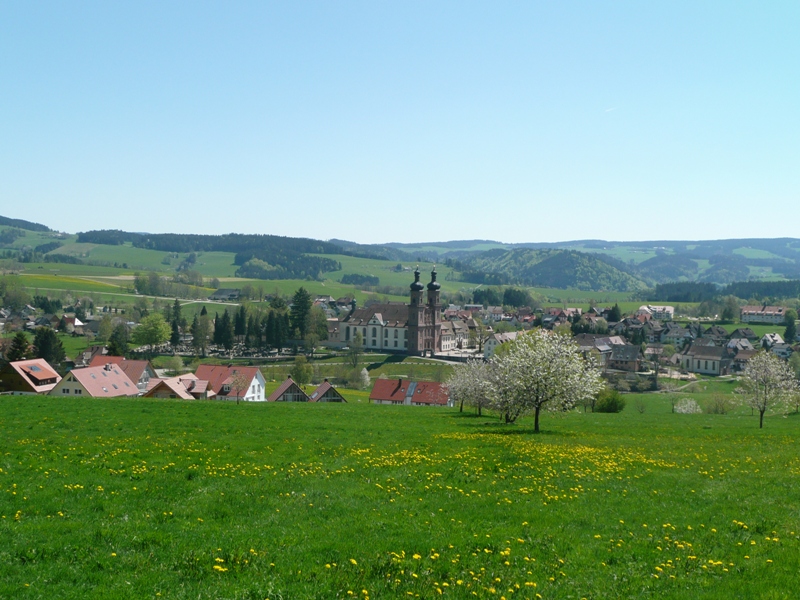
The heat transition is often seen as a difficult challenge. Homeowners face high costs, uncertain decisions, and complex technical questions. In St. Peter, a municipality in the Black Forest region, the community has found a remarkable answer. Instead of each family installing a new heating system on its own, a shared district heating network now supplies large parts of the town center with renewable heat.
What makes this project special is not only the technology. More interesting is the way in which the project came about.
Bürgerenergie St. Peter is owned by the local community. Organized as a cooperative, it operates a district heating network supplied with locally sourced wood chips. Around 270 households are now connected. As a result, the municipality has largely converted its heat supply to renewable energy.
How Trust Made a District Heating Network Possible
The project’s success did not begin with a major funding program or a government mandate. It began with committed people from the local community. Some of them recognized early on that many heating systems would soon need to be replaced. They seized this opportunity and developed a shared alternative.
Trust was crucial in this process. The initiators spoke directly with their neighbors, organized information events, and gained the support of key partners. The municipality and other major heat consumers joined the project at an early stage. This gave the project the necessary economic security, legitimacy and trust and convinced additional households to participate.
The cooperative played a central role. It made the project transparent and democratic. Every person has one vote. Local residents were able to participate and help make decisions. This created acceptance and strengthened the willingness to invest collectively.
Lessons for the Municipal Heat Transition
The case of St. Peter shows that district heating networks are more than technical infrastructure. They are also social projects. They succeed where people take responsibility, build trust, and bring others along.
This offers an important insight for other municipalities. Successful district heating networks cannot simply be copied. Every municipality has different conditions. Nevertheless, there are some principles that can be helpful everywhere. These include:
- Committed people who drive a project forward.
- Support from the municipality, without the municipality having to manage everything itself.
- Direct conversations and personal persuasion.
- A model that builds trust and involves local residents.
St. Peter is therefore less a blueprint than a proof. The municipality shows that the heat transition can succeed even in small communities – not through individual decisions made behind closed doors, but through collective action.